Root Canal Procedure and Misconceptions
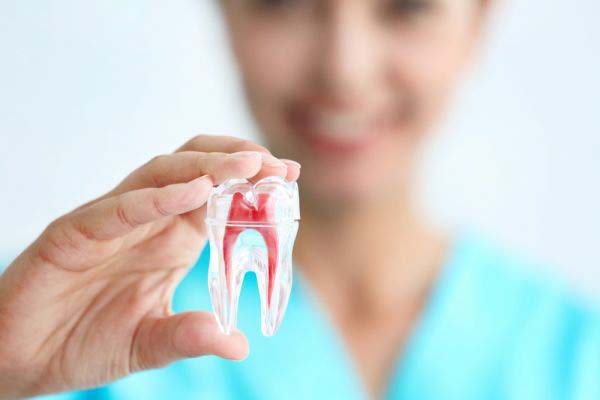
A root canal procedure is one of the most important and the most commonly done procedures in dentistry. It is usually performed by endodontists. A root canal is the removal of the natural cavity which is at the center of the tooth. The procedure is done to a damaging or decaying tooth to save the tooth from getting completely damaged and save the patient from the pain associated with a damaged tooth. The tooth is usually cleaned and then the pulp cavity, which harbors multiplying bacteria when it begins to be damaged, is removed.
The removal of the pulp cavity does not really have an adverse effect on a tooth. Its function is just to transmit sensations getting to the tooth, which implies that it can be removed. If a root canal procedure is not swiftly performed, abscesses can form at the root of the tooth and the patient will start feeling severe and excruciating pain. It can also affect the nearby teeth and cause widespread tooth decay.
Misconceptions about root canals
Root canals have built up a lot of myths about the procedure and this has caused people who are in dire need of it to stay away from the dental clinic. Three of these myths are highlighted below:
A root canal procedure is extremely painful
A lot of people have built this mindset that having a root canal procedure usually causes more excruciating pain than the pain normally associated with the decay. Well, this is absolutely wrong. Excessive pain was common in the past but not anymore. The advent of modern inventions and technologists has made provisions to cater to the pain. Root canal procedures can now be done painlessly and the patient will feel much better once the procedure is over.
It usually causes more infection
Another myth that has spread in the hearts of many over the years is that once a root canal procedure is performed, the patient's tooth gets exposed and spreads infection in other parts of the body. This again is a very wrong notion. The main reasons that can cause a patient to get an infection once the procedure has been performed are if there were more infected root canals than anticipated, leaving one uncleaned, an inadequate restoration or an undetected crack in the root, leaving the area exposed. Endodontists use well-sterilized equipment and the patient can be assured that there will be no infection after the procedure has been performed. Visit a certified dentist and bring up any concerns you have, and no harm should come to you.
Root canal procedures are unsafe for pregnant women
Many things are unsafe for pregnant women but the root canal procedure is not one of them. The fear of losing the baby or having the baby become deformed scares a lot of pregnant women away when they are supposed to visit the endodontists. The belief is birthed from the assumption that the light from the X-ray might affect the baby. This again is not true. X-rays are only taken of the oral cavity, not the stomach, and the endodontist even takes time to put a protective covering over the stomach which will shield the fetus from the rays. So there's no need to worry.
While root canal procedures can be intimidating, there is no need to worry. As the dental industry has evolved so much over the years, if you visit a professional, they are sure to take good care of you and your oral health.
Request an appointment here: https://precisionsmiles.net or call Precision Smiles at (201) 204-1355 for an appointment in our Hackensack office.
Check out what others are saying about our dental services on Yelp: Root Canal Procedure.
Related Posts
To manage the pain you will feel after a root canal treatment and to prevent infection, it is critical to follow proper aftercare. The treatment is standard, so it should not be a surprise to your dentist. Once you go home, you will need to follow some aftercare tips to keep your mouth healthy. Here…
Dental professionals use a root canal treatment to stop tooth decay from getting worse and treat the effects of tooth decay. While reversing tooth decay is not possible, root canal treatment can often restore the appearance, shape, and overall health of a tooth that is damaged by a severe cavity.While minor cavities may only need…
Root canal treatment can help with gums and the underlying jawbone. Read on to learn more about this endodontic treatment. This article discusses root canal treatment and how it can improve the health of the tooth receiving the treatment as well as the gums that support it. Gum and tooth health often go together. If…
Root canal treatment is performed to prevent and treat infection in a tooth’s pulp. The term “pulp” refers to the soft tissues housed in a tooth’s pulp chamber. This is the innermost layer of a tooth’s crown, and it is sealed off from the rest of a tooth to prevent oral bacteria and the acids…