Quick Guide To Straighteing Teeth With Invisalign®
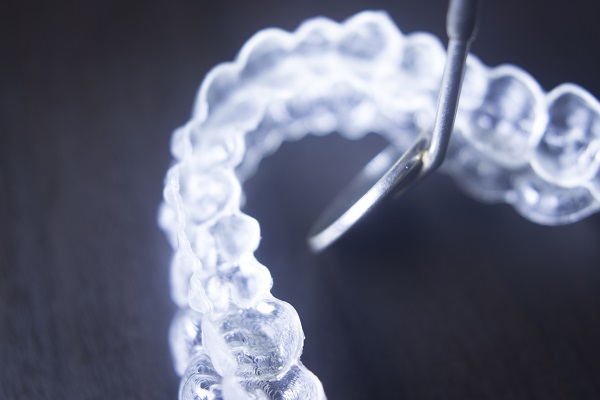
Invisalign® can be a great option for eligible patients looking for a way to straighten teeth. It is far less noticeable than traditional braces and can be just as effective. Many people find that the clear aligners are a better option for them than traditional braces, but there are some things to keep in mind during the process.
What to expect
There are some things that should be done to keep the aligners in good condition, as well as to ensure there is enough contact time with the teeth.
Wear them as much as possible
Invisalign® needs to be worn as much as possible in order to have the maximum effect. According to health.com, the aligners should be worn 20-22 hours a day. This means Invisalign® must be worn while sleeping. The aligners should be removed while eating or drinking anything other than water, but this should take no more than four hours a day. Chewing gum should be avoided, as gum can stick to the aligners, pull on them and damage them.
Expect some soreness in the beginning
For the first few days of wearing Invisalign®, some people may experience some pain or discomfort. The aligners will likely feel tight at first, and it can take a bit longer to remove them. For pain, over-the-counter pain medications may help, according to Mayo Clinic. Ibuprofen and aspirin, in particular, can help, because of their anti-inflammatory properties. Cold compresses, drinking cold water or sucking on ice cubes can also help relieve pain.
Be prepared for an adjusted diet
With traditional braces, foods like popcorn, caramel and corn on the cob may need to be avoided. Thankfully, since Invisalign® is taken out before eating, the wearer should be able to eat just about anything. However, this does not mean that there should not be modifications in the beginning. As the teeth are getting used to the aligners, it may be best to eat a soft foods diet. Avoiding foods that require a lot of chewing can prevent aggravating a sore mouth. The soreness will likely go away in a few days, which means a normal diet can be resumed.
Consider carrying a travel-sized toothbrush
People wearing Invisalign® will need to brush their teeth after eating and before putting the aligners back in. For people who work outside the home, or are on the go a lot, bringing a small toothbrush will make it easier to achieve this task. Those who use removable aligners should be prepared for more teeth brushing than usual. It is for the health of the aligners, but also offers the benefit of potential increased oral health while using the aligners.
Be ready to wear a retainer afterward
Many people will need to wear a retainer after the Invisalign® treatment has completed. Teeth often try to shift back into their original space, and a retainer will help prevent that. Thankfully, retainers typically only have to be worn at night, so this will not be noticeable to most people.
Conclusion
Invisalign® can be a great option for adults who want straighter teeth. Knowing what to expect when receiving this treatment can help with preparation, as well as increasing the likelihood of success.
Are you considering Invisalign® in the Hackensack area? Get more information at https://precisionsmiles.net.
Check out what others are saying about our services on Yelp: Read our Yelp reviews.
Related Posts
While Invisalign® is an effective alternative to braces, it may not be the ideal treatment for everyone. The candidacy process happens in one appointment, involving X-rays, a physical examination, and a review of the patient's dental records. Here is a closer look at the factors we consider when choosing an ideal candidate.While we strongly advise…
Managing sleep apnea often involves a visit to the general dentist, as the mouth and jaw play a fundamental role in keeping the airway open and clear during sleep. While many people think of this condition as something only a physician handles, dentists have a unique view of the physical signs that appear during a…
Are you considering Invisalign®? Read on to learn more. Metal braces used to be the gold standard for bite issues like overbites and underbites. Now, more than four million Americans are currently undergoing some form of orthodontic treatment, many of whom are turning to Invisalign as a discreet and effective approach to correcting dental misalignment…
A general dentist provides the essential care needed to keep a smile healthy, functional, and free from pain through every stage of life. It is recommended to see a dentist every six months for effective care. However, other reasons to book an appointment include tooth sensitivity and pain, as well as bleeding gums while brushing.…