Dental Bridges in Cosmetic Dentistry Treatment
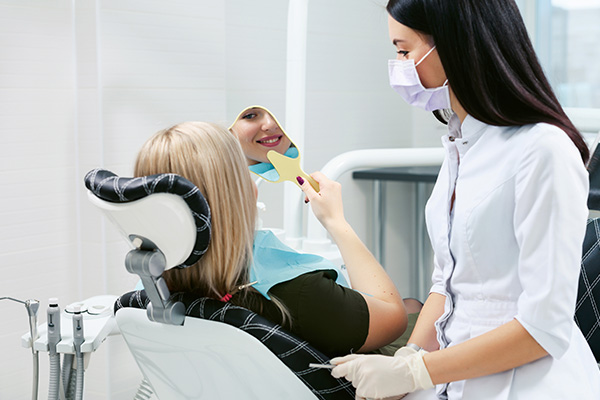
Dental bridges are one of the treatments used in cosmetic dentistry to restore smiles. These restorations are appropriately named since they bridge gaps created by missing teeth.
Bridges consist of two main parts. Abutments (which are typically the two teeth closest to the gap) and pontics (the artificial teeth that replace the missing one). Abutments are typically covered up with a crown to provide extra stability for the bridge.
How dental bridges are used in cosmetic dentistry
Bridges are typically used when a person has more than one missing tooth. It provides cosmetic and therapeutic benefits like:
- It helps to maintain the patient's facial appearance
- It restores the appearance of the person's smile
- It prevents the remaining teeth from becoming misaligned in an attempt to close the gap
- It helps to distribute bite forces evenly between the patient's teeth
- It restores the patient's ability to speak and chew properly
Common types of dental bridges
The three main types of bridges that are often used in cosmetic dentistry are:
- Traditional bridges: These are the most common type of dental bridges. They are used when there are teeth on both sides of the gap or when the dentist plans to install implants there. The pontics are typically made with ceramics or porcelain fused to metal
- Cantilever bridges: These are used when there is only one tooth near the gap. They are rarely used for teeth in the back of the mouth since they only provide limited stability
- Maryland bonded bridges: These are also used when there is only one tooth near the gap. It utilizes porcelain or metal wings that are bonded to one of the patient's real teeth or an implant
The process of installing dental bridges
The first phase of getting a dental bridge involves the abutment teeth being prepared for crowns. This preparation includes the dentist recontouring the patient's teeth by removing portions of the enamel. This creates room for the crown and it ensures it fits tightly around the tooth.
The dentist will then make an impression of the patient's teeth. This is used to make crowns for the abutment teeth and the pontics. The patient will be fitted with a temporary bridge to cover up the gap while they wait for a dental lab to make their restorations. This usually takes about two weeks.
During the second visit to the clinic, the temporary bridge will be taken out and the patient's customized crowns and the bridge will be installed. The bridge will be adjusted as needed to ensure it fits properly. The dentist might use temporary cement to attach the customized bridges if the patient is getting a fixed bridge. This allows the dentist to verify it fits properly before using permanent cement a couple of weeks later.
Explore dental bridges with us
A dental bridge can be a great solution if you are dealing with one or more missing teeth. Call or visit our Hackensack clinic to set up an appointment.
Request an appointment here: https://precisionsmiles.net or call Precision Smiles. at (201) 204-1355 for an appointment in our Hackensack office.
Check out what others are saying about our services on Yelp: Read our Yelp reviews.
Related Posts
While Invisalign® is an effective alternative to braces, it may not be the ideal treatment for everyone. The candidacy process happens in one appointment, involving X-rays, a physical examination, and a review of the patient's dental records. Here is a closer look at the factors we consider when choosing an ideal candidate.While we strongly advise…
Managing sleep apnea often involves a visit to the general dentist, as the mouth and jaw play a fundamental role in keeping the airway open and clear during sleep. While many people think of this condition as something only a physician handles, dentists have a unique view of the physical signs that appear during a…
Are you considering Invisalign®? Read on to learn more. Metal braces used to be the gold standard for bite issues like overbites and underbites. Now, more than four million Americans are currently undergoing some form of orthodontic treatment, many of whom are turning to Invisalign as a discreet and effective approach to correcting dental misalignment…
A general dentist provides the essential care needed to keep a smile healthy, functional, and free from pain through every stage of life. It is recommended to see a dentist every six months for effective care. However, other reasons to book an appointment include tooth sensitivity and pain, as well as bleeding gums while brushing.…